Why the Right Notebook Still Matters
After twenty years of filling pages with everything from grocery lists to novel drafts, I have learned that the notebook you write in shapes what you write. It sounds almost superstitious, but the feel of paper under your hand, the way ink dries, the way a spine lies flat on a desk - these things matter. They are the quiet furniture of the writing life, and getting them right can be the difference between a habit that sticks and one that fades.
I started with whatever was cheap. Spiral notebooks from the drugstore, composition books with marbled covers. They worked, but they never felt like they belonged to me. The pages would tear out, the binding would crack, and the paper would bleed through with anything wetter than a ballpoint. It took a long time to understand that a good notebook is not a luxury. It is a tool, as essential as a good pen or a quiet room. That is where the idea of trusted writing journals comes in - not as a brand or a trend, but as a category of notebook you can rely on, day after day, without second-guessing.
Paper as a Partner
The first revelation for me was paper quality. I had heard about Tomoe River paper for years before I actually tried it. Writers online swore by its thinness and its refusal to bleed or feather. When I finally bought a notebook with Tomoe River pages, I understood. The paper is so light you can see the ghost of the other side, yet it handles fountain pen ink like a dream. I use a Lamy Safari with a fine nib, and on Tomoe River, the ink sits on the surface, crisp and clean. No feathering, no bleed-through, no ghosting that interferes with the next page.
That experience changed how I think about notebooks. Paper is not just a surface. It is a partner. If the paper fights your pen, you fight the page. If it feels good, you write longer. That is why I now keep a stack of notebooks from different makers. A Midori MD for daily journaling, because its cream paper and simple binding remind me why I started writing in the first place. A Leuchtturm1917 for project notes, because the numbered pages and table of contents help me keep track of ideas. A Hobonichi Techo for planning, because its thin pages and yearly layout force me to be concise.

The Weight of a Good Notebook
There is something about opening a fresh notebook that still gives me a small thrill. The blank page is not a threat; it is an invitation. But that only works if the notebook feels right. A Moleskine, for example, has a certain heft and a classic look that many writers love. I have used them for years, and I understand the appeal. The elastic band closure, the rounded corners, the creamy paper. But Moleskine paper can be inconsistent with fountain pens, and the binding does not always lay flat. For some writers, that is fine. For others, it is a dealbreaker.
That is the thing about notebooks. There is no single best choice. What works for one person might drive another crazy. The key is finding the ones you trust. The trusted writing journals in my own collection are a mix of old favorites and new discoveries. The Rhodia Webbie, with its orange cover and ultra-smooth paper, is perfect for quick notes and lists. The Field Notes brand, with its compact size and rugged covers, goes everywhere with me. And the Midori MD, with its minimal design and high-quality paper, is the one I reach for when I need to think on paper.
Pens That Play Well
A notebook is only half the equation. The pen matters just as much. I have tried dozens over the years, from cheap disposables to expensive fountain pens. The ones that stay in my rotation are the ones that write without hesitation. The Pilot G2, in a 0.7mm tip, is a reliable workhorse. It glides over most papers, dries quickly, and never skips. The Uni-ball Jetstream is another favorite, especially for left-handed writers, because its ink dries almost instantly. And for fountain pen fans, the Lamy Safari is a great entry point. It is durable, affordable, and accepts a wide range of nibs and inks.
The combination of pen and paper is where the real magic happens. A good pen on bad paper is frustrating. A bad pen on good paper is almost as bad. But when you get the pairing right, writing becomes effortless. You stop thinking about the tools and start thinking about the words. That is the goal. That is why I spend time testing different combinations and reading notebook reviews from other writers. Everyone has their own preferences, and the only way to find yours is to try things out.

Writing Through the Hard Parts
Even with the best tools, writing can be hard. Writer's block is real, and it does not care what notebook you use. I have sat staring at a blank page in a beautiful leather-bound journal and felt just as stuck as I would in a spiral notebook. The trick is not to wait for inspiration. The trick is to write anyway, even if it is garbage. That is where journaling prompts can help. Simple questions like "What surprised me today?" or "What am I avoiding?" can get the words flowing. The Artist's Way, by Julia Cameron, is full of such prompts. Her idea of morning pages - three pages of stream-of-consciousness writing every day - has helped countless writers break through blocks.
I have done morning pages on and off for years. Some days they feel pointless. Other days they uncover something I did not know I was thinking. The notebook does not judge. It just holds the words. That is the quiet power of a good notebook. It is a container for the messy, unfinished, half-formed thoughts that eventually become something better. When you have a notebook you trust, you are more likely to show up and write, even when it is hard.
Practical Choices for Real Writers
If you are looking for trusted writing journals, here is what I would suggest based on decades of trial and error:
- For fountain pen users: Look for notebooks with Tomoe River paper or high-quality options from Rhodia or Midori. They handle wet ink beautifully.
- For everyday carry: Field Notes or a pocket-sized Leuchtturm1917 are durable and easy to throw in a bag. They work with most ballpoints and gel pens.
- For bullet journaling: Leuchtturm1917 and Hobonichi Techo are popular for good reason. They have numbered pages, index pages, and layouts that support the system.
- For journaling and creative writing: Midori MD and Moleskine offer a classic feel. Try both to see which paper you prefer.
- For budget-friendly options: You can find good notebooks on Amazon and Etsy, but check the paper specifications. Look for at least 80gsm paper if you plan to use gel or fountain pens.
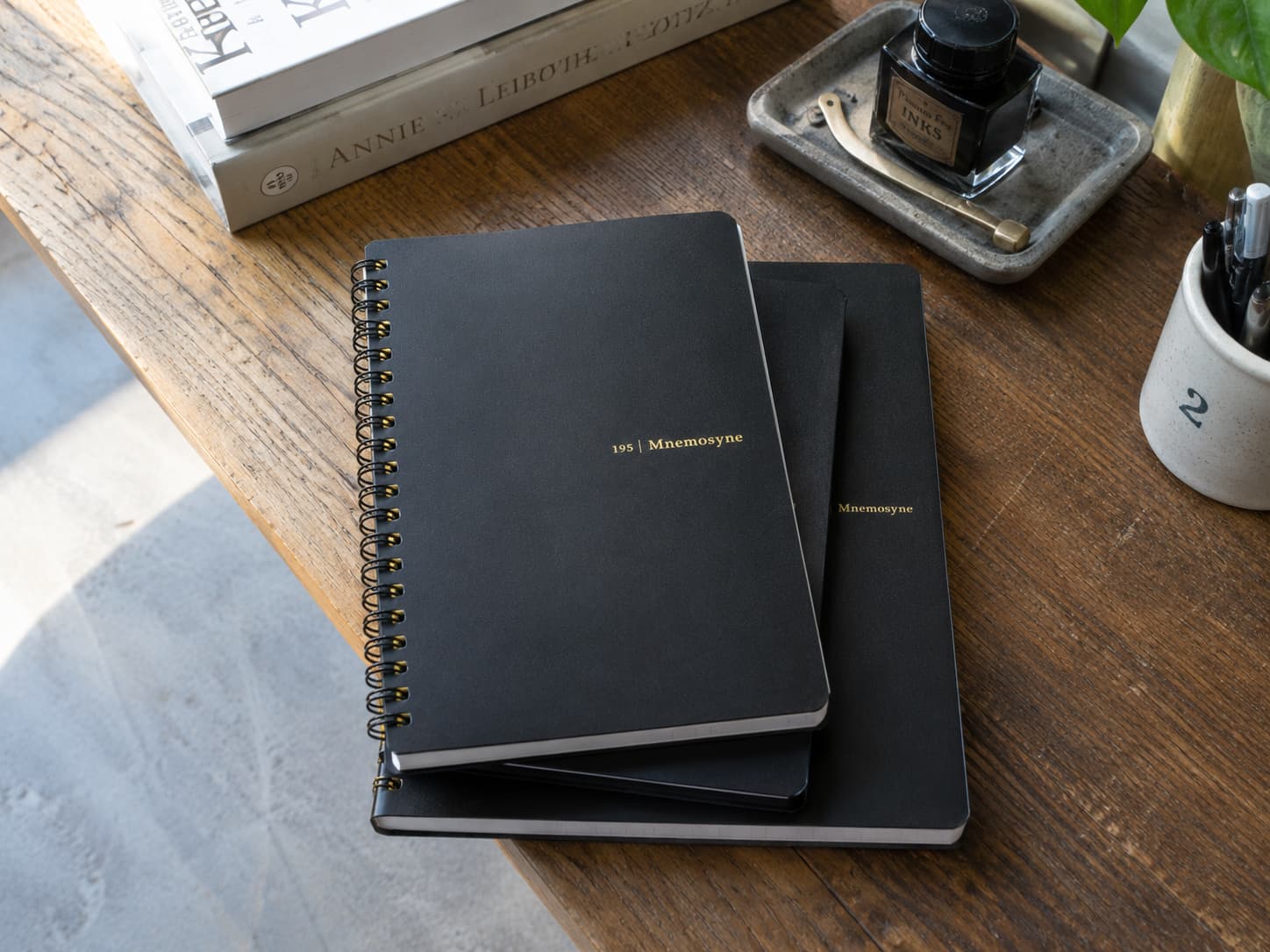
One more thing: do not be afraid to experiment. Buy one notebook from a few different brands. Write in each for a week. See which one calls you back. Over time, you will develop a sense of what works for your handwriting, your pens, and your habits. That is how you build a collection of trusted writing journals that you can rely on for years.
The Long View
I have notebooks on my shelf from twenty years ago. Some are filled with bad poetry and half-baked ideas. Others contain notes from trips I barely remember, sketches of characters I never finished, and lists of books I meant to read. They are not masterpieces. But they are a record of a writing life, and they remind me that the most important thing is to keep writing. The notebook is just a tool. But a good tool makes the work easier and more enjoyable.
So if you are serious about writing, pay attention to what you write in. Find the notebooks that feel right in your hand and on your desk. Find the pens that flow without hesitation. Build a system that works for you. And then write, every day, even when it is hard. The trusted writing journals you choose will become part of your practice, and over time, they will feel less like tools and more like old friends.